


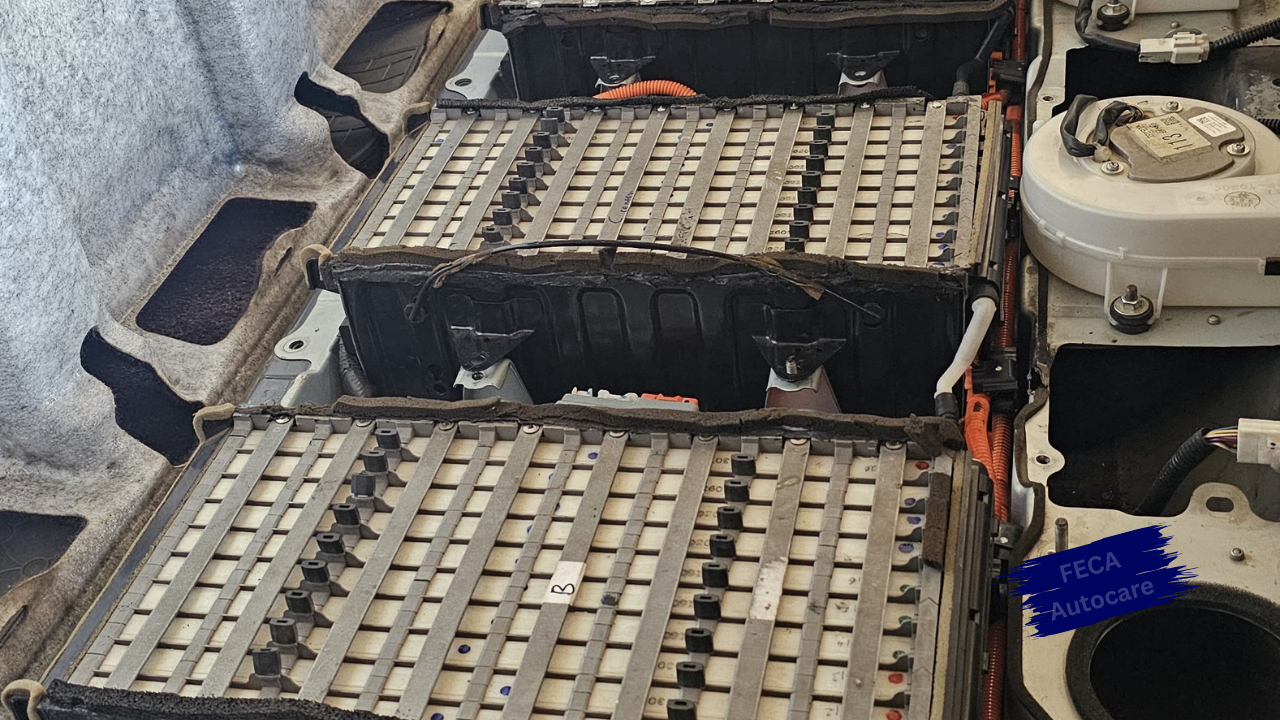
Hybrid battery care is a critical part of maintaining the performance and longevity of any hybrid vehicle. While hybrid cars are engineered for efficiency and reliability, their advanced electrical systems require proper attention—especially during the rainy season when water exposure becomes a real risk.
Recently, a Nissan Note e-POWER came in for hybrid service. During inspection, an important issue emerged that many hybrid vehicle owners rarely consider: water intrusion into the battery compartment, a problem that can severely affect hybrid battery performance if left unchecked. Below, we provide hybrid battery care tips.
[While there are many dangers to your hybrid battery including but not limited to dust, lets focus on water as an enemy to the hybrid battery.]
Also Read: Why Regular Maintenance for your Hybrid Vehicle
Hybrid Battery Care: Why Water Is Dangerous to Hybrid Batteries
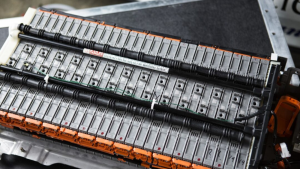
Hybrid batteries operate within strictly controlled electrical and thermal environments. When water enters the battery housing, it doesn’t just cause a simple malfunction—it creates a cascade of safety and performance issues:
-
Critical Isolation Faults: Rather than a standard short circuit, water often causes an “isolation fault.” This occurs when water bridges the gap between the high-voltage terminals and the battery casing. Because the casing is bolted to the vehicle’s chassis, the electrical current “leaks” into the entire metal frame of the car. This transforms the body of the vehicle into a conductor, posing a significant risk of electric shock to anyone touching the exterior.
-
Corrosion of Internal Components: Even a small amount of moisture can trigger rapid oxidation on cells and busbars, leading to permanent hardware damage.
-
Thermal Instability: Moisture can interfere with the battery’s cooling sensors, causing the system to misread temperatures and reducing overall performance.
-
Total System Shutdown: To prevent fire or lethal shock, most hybrid management systems will trigger an emergency “fail-safe” mode, rendering the vehicle undrivable until the isolation fault is cleared.
For this reason, water is one of the most serious threats to hybrid battery health.
How Water Can Enter the Battery Area
In the case of the Nissan e-POWER, the battery is mounted relatively low in the vehicle structure. While the system is designed with protection in mind, damage to protective components can create a vulnerability.
One of the most common entry points occurs when:
-
The underbody protection plate is damaged by impact with road obstacles such as stones, bumps, or debris. Look at this real case at our garage in thika – Watch
-
This plate normally shields sensitive components, including the hybrid battery area.
-
If the plate becomes torn, loose, or displaced, it may allow water to enter when the vehicle passes through pools of water during heavy rains.
Once water reaches the battery housing area, it can gradually seep into sensitive electrical systems. Worse, affecting the condition and performance of the hybrid battery.
Hybrid Battery Protection: What Hybrid Owners Should Do
During the rainy season, hybrid owners—especially those driving Nissan e-POWER models—should take the following precautions:
1. Avoid Driving Through Deep Water
Whenever possible, avoid flooded roads or deep puddles.
2. Inspect the Underbody Regularly
Ensure the protective plates and shielding underneath the vehicle remain intact.
3. Schedule Regular Hybrid System Checks
Routine inspection allows technicians to identify damage, loose shields, or early signs of water exposure.
4. Address Underbody Damage Immediately
If you hit a large bump, debris, or hear scraping under the vehicle, it is advisable to have the underbody inspected.
Hybrids: Prevention Is Always Better Than Repair
Hybrid batteries are designed to last for many years, but their longevity depends heavily on proper protection and maintenance.
A simple inspection of the underbody and hybrid components can prevent water intrusion and help ensure the system continues to operate efficiently. As with many automotive issues, early detection and preventive care make all the difference.
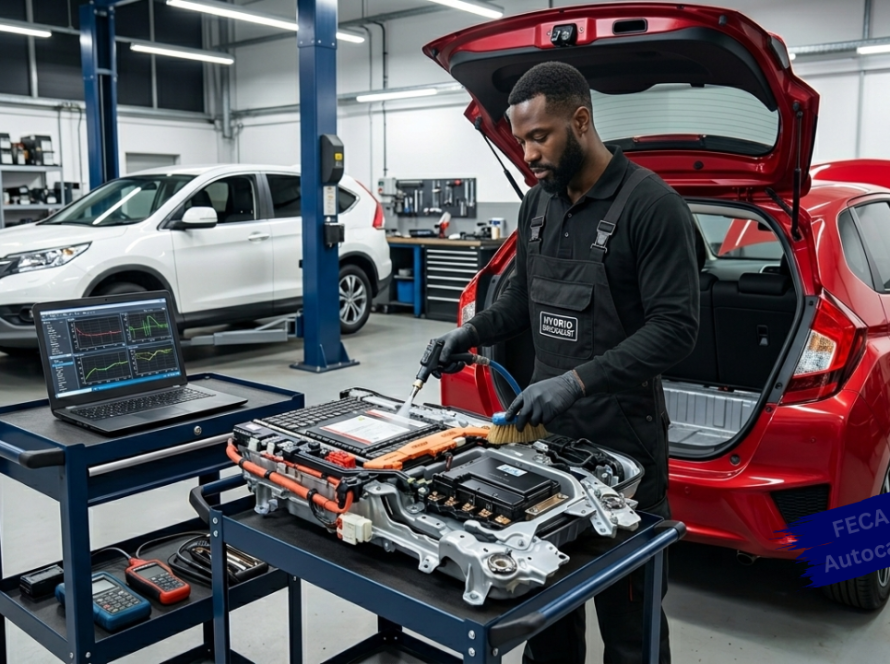
For peace of mind, have your hybrid system inspected regularly by experienced technicians at FECA Auto Care, where hybrid diagnostics and battery care are handled with precision.
We are experts in Hybrids /Evs and German Cars: – i.e German Vehicle Servicing Hybrid /Ev Vehicle Servicing Hybrid Battery Reconditioning & Replacements Routine Maintenance Engine Diagnostics
1 Comment
Comments are closed.