Road trip checks should create memories—not mechanical headaches.
Whether you’re travelling to Mombasa, Kisumu, Nakuru, Eldoret, Nanyuki, or crossing county lines for business, your vehicle will face long hours on the road, changing terrain, traffic, steep climbs, rough sections, and varying weather conditions.
Unfortunately, many roadside breakdowns could have been prevented with a simple inspection before departure.
A 30-minute vehicle check can save you hours of delay, expensive repairs, and unnecessary stress. Here’s a list of road trip checks and what every driver should inspect before a long journey.

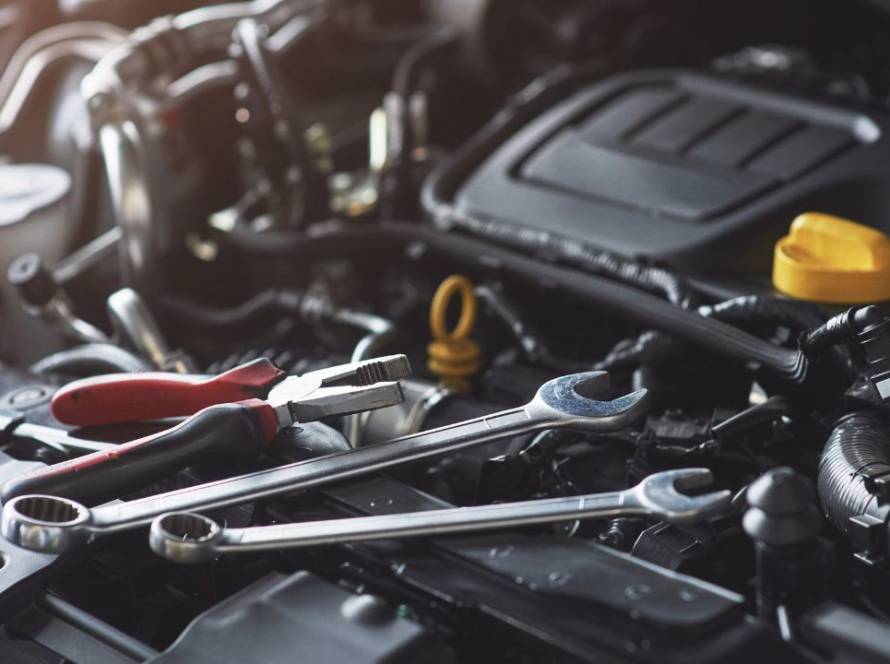
1. Check Under the Bonnet
The engine is the heart of your vehicle. Before setting off, inspect the essentials:
Engine Oil
Check both the oil level and condition.
Healthy engine oil should be at the correct level and relatively clean. Low or dirty oil can increase engine wear and lead to overheating during long drives.
Coolant
Cooling systems work harder during long-distance travel.
Ensure the coolant level is correct and inspect for signs of leaks, contamination, or discoloration.
Brake Fluid
Your braking system relies on proper hydraulic pressure.
Low brake fluid may indicate wear or leaks that require immediate attention.
Power Steering Fluid
If applicable, verify that the fluid level is adequate. Low levels can affect steering performance and comfort during extended driving.
Windscreen Washer Fluid
Visibility is safety.
Top up washer fluid before travelling, especially if your route includes dusty roads, insects, mud, or rainy conditions.
Drive Belts and Hoses
Inspect belts for cracks, glazing, or excessive wear.
A failed belt can leave you stranded far from the nearest garage.
Battery Condition
Check battery terminals for corrosion and ensure connections are secure.
If your battery is approaching the end of its lifespan, consider testing or replacing it before your trip.
And in case you own a hybrid, a battery inspection or full hybrid service is recommended.
Check for Leaks
Look underneath the vehicle and around the engine bay for signs of oil, coolant, or fluid leaks.
Small leaks often become bigger problems under long-distance driving conditions.
2. Inspect Your Tyres Carefully
Your tyres are the only point of contact between your vehicle and the road.
Check Tyre Pressure
Inflate tyres to the manufacturer’s recommended pressure.
Underinflated tyres increase fuel consumption and wear faster.
Examine Tread Depth
Adequate tread improves grip, especially during rain or emergency braking.
Uneven wear patterns may indicate alignment or suspension issues.
Inspect Sidewalls
Look for cracks, cuts, bulges, or embedded objects.
A damaged sidewall can lead to a dangerous tyre failure at highway speeds.
Don’t Forget the Spare Wheel
Many drivers remember the spare only after a puncture.
Ensure it is properly inflated and roadworthy.
Confirm Emergency Equipment
Verify that the following are available and functional:
- Jack
- Wheel brace
- Locking wheel nut key (if applicable)
3. Check Brakes and Suspension
Long descents, rough roads, and emergency stops place heavy demands on these systems.
Brake Inspection
Have a technician inspect:
- Brake pads
- Brake discs
- Brake fluid condition
- Brake response
If your brakes squeal, vibrate, or feel weak, address the issue before travelling.
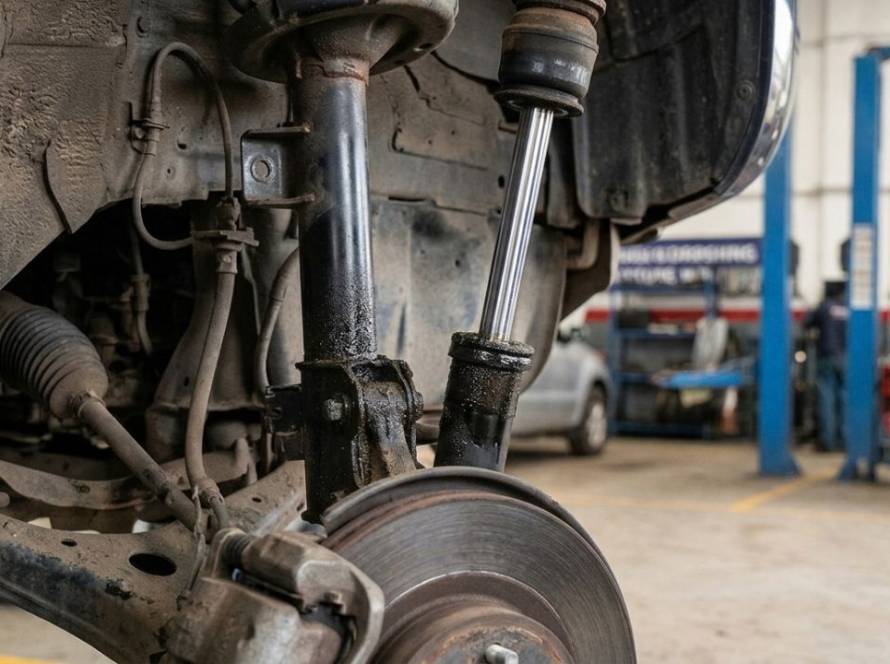
Suspension Check
Inspect:
- Shock absorbers
- Bushings
- Ball joints
- Steering components
A healthy suspension improves comfort, stability, and tyre life.
Test the Handbrake
Your parking brake should hold the vehicle securely, especially on slopes.
4. Test All Lights and Signals
A two-minute walk around the vehicle can prevent accidents and traffic penalties.
Check:
- Headlights (low and high beam)
- Indicators
- Brake lights
- Hazard lights
- Reverse lights
- Fog lights (if equipped)
- Number plate lights
Visibility is just as important as vehicle performance.
5. Hybrid Vehicle Owners: Don’t Skip the Battery Check
Hybrid vehicles require additional attention before long-distance travel.
A professional hybrid inspection should include:
- Battery health assessment
- Cooling fan cleaning
- Hybrid system diagnostics
- Voltage performance checks
Dust accumulation and poor battery cooling can affect efficiency and performance during extended journeys.
A healthy hybrid system means better fuel economy and fewer surprises on the road.
6. Carry Essential Documents and Emergency Supplies
Always travel prepared.
Important Documents
- Driving licence
- Insurance certificate
- National ID
- Logbook copy
Emergency Kit
- Reflective triangle
- Reflective safety vest
- First aid kit
- Torch
- Phone charger
- Drinking water
- Basic toolkit
Having these items may turn a major inconvenience into a minor delay.
7. Consider a Professional Pre-Trip Inspection
Many vehicle problems are difficult to identify through a visual check alone.
Modern diagnostics can reveal hidden issues long before warning lights appear or breakdowns occur.
A professional inspection provides peace of mind and helps ensure your vehicle is ready for the demands of the journey ahead.
Final Thoughts
The best breakdown is the one that never happens.
Before your next road trip, invest a few minutes in inspecting your vehicle. Proper preparation improves safety, protects your investment, and allows you to focus on enjoying the journey.
At FECA Auto Care, we help drivers travel with confidence through comprehensive vehicle inspections, diagnostics, hybrid battery checks, and preventive maintenance.
Before you hit the road, make sure your vehicle is as ready for the journey as you are.
__
This is FECA – We are experts in Hybrids /Evs and German Cars: – i.e German Vehicle Servicing Hybrid /Ev Vehicle Servicing Hybrid Battery Reconditioning & Replacements Routine Maintenance Engine Diagnostics