Car Maintenance Tips for you. Look,
Buying your first car is exciting. But owning a car comes with another responsibility: keeping it in good condition.
You don’t need to be a mechanic to understand basic car maintenance. A few simple checks, done regularly, can help you spot problems early and keep your car safer and more reliable.
9 car maintenance tips every driver should develop.
1. Keep Your Windshield and Lights Clean
Clear visibility is essential when driving.
Clean your windshield regularly and make sure your headlights and other lights are free from dirt. Dirty or cloudy lights can reduce how well you see — and how well other road users see you.
2. Don’t Ignore Your Wipers
Wipers work harder than you realise, especially during rainy weather.
If they leave streaks, make unusual noises, skip across the glass or fail to clear water properly, it’s probably time to replace them.
3. Check Your Tyres
Your tyres are your car’s only contact with the road, so give them some attention.
Check that they have the correct pressure and look for uneven wear, cracks, bulges or other damage. Also check the tread and follow your vehicle manufacturer’s recommendations for tyre rotation and replacement.
And don’t forget the spare tyre. You may need it when you least expect it. 😅
4. Pay Attention to the Battery
A weak battery can leave you stranded when you least expect it.
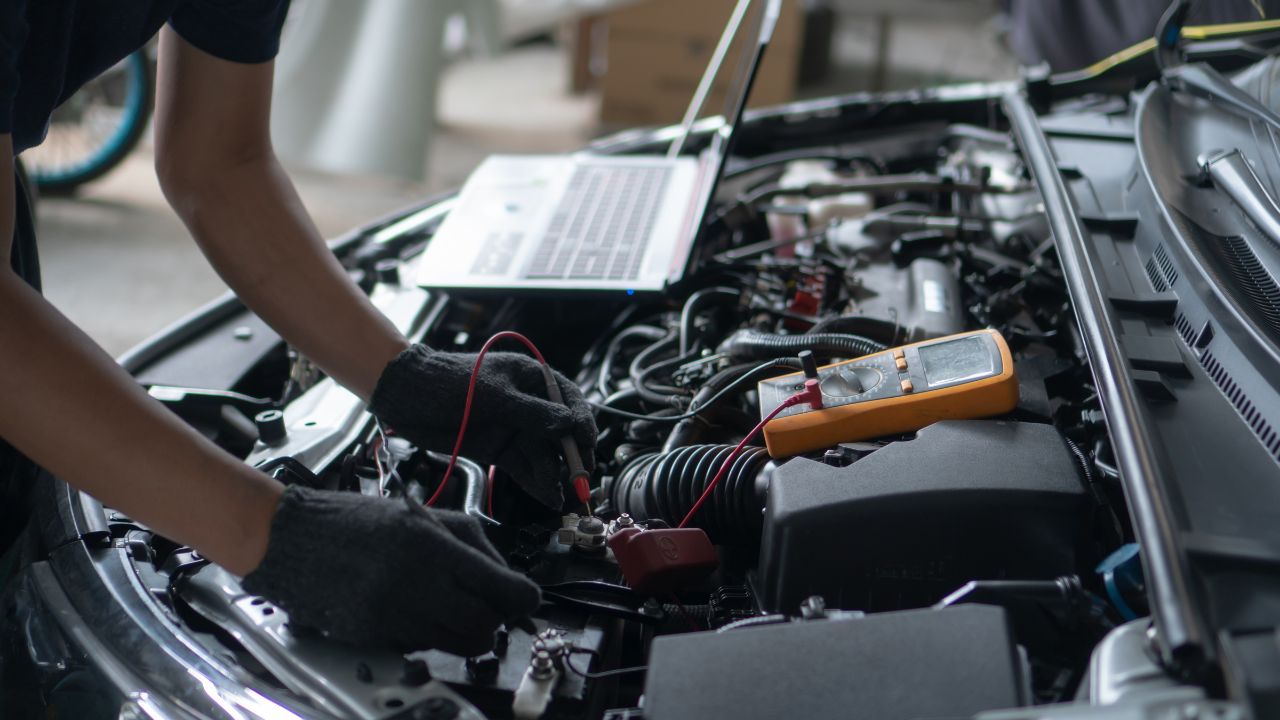
If your car is becoming slow to start, the lights are noticeably dim, or you notice corrosion around the battery terminals, have the battery checked.
Don’t wait for the car to completely refuse to start.
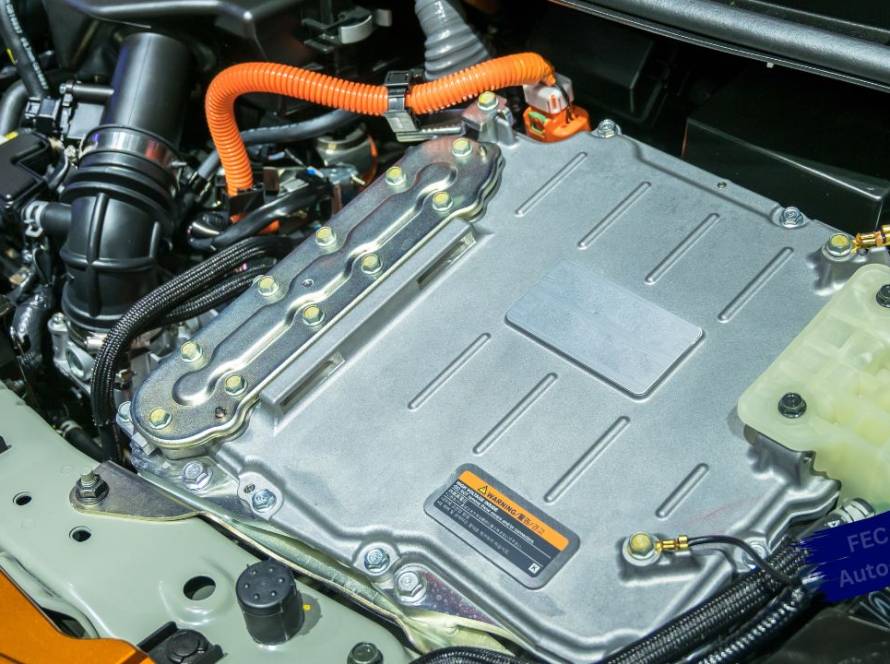
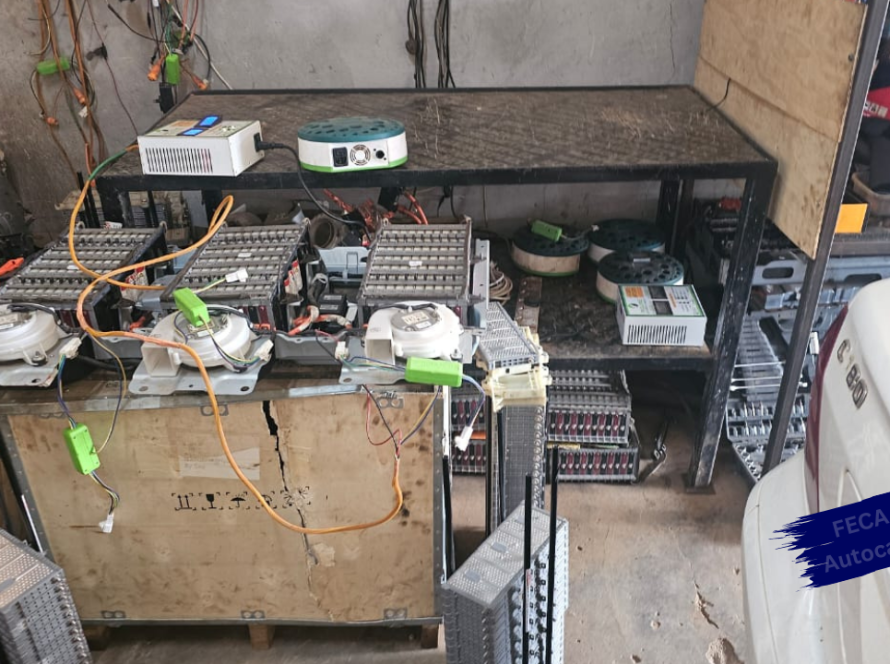
Note: Hybrid cars owners must adhere to hybrid battery maintenance routine
5. Keep the Engine Air Filter Clean
Your engine needs clean air to operate properly.
A heavily clogged air filter can restrict airflow and affect engine performance. How often it needs replacement depends on the vehicle and the conditions in which you drive.
If you regularly drive on dusty roads, check it more frequently.
6. Check Your Fluid Levels
Your car relies on several important fluids to operate properly.
Depending on your vehicle, these may include engine oil, coolant, brake fluid, transmission fluid, power steering fluid and windscreen washer fluid.
Don’t just check the engine oil and forget everything else. Each fluid has a job to do.
7. Change Your Engine Oil on Time
Engine oil lubricates and protects the engine’s moving parts.
Don’t rely on a generic “change it every X kilometres” rule. Check your owner’s manual for the recommended interval and use the correct oil specification for your vehicle.
And if you can’t remember the last time your oil was changed… 👀 that’s probably worth checking.
8. Don’t Ignore EGR or Engine Warning Signs
If your vehicle has an EGR system, carbon deposits can build up over time and affect its operation.
Poor performance, rough running or an engine warning light can indicate a problem. Rather than automatically cleaning or replacing parts yourself, have the system properly diagnosed first.
9. Replace Faulty Bulbs
A blown headlight, brake light or indicator isn’t something to postpone.
Replace faulty bulbs promptly and make sure the replacement is the correct type for your vehicle.
Good lighting helps you see, helps other road users see you, and keeps your vehicle road-ready.
The Golden Rule: Don’t Wait for a Breakdown
Good car maintenance isn’t about fixing everything before it breaks.
It’s about noticing the small signs before they become expensive problems.
Check your tyres. Listen to your car. Monitor your fluids. Follow your service schedule. And when something doesn’t feel right, have it checked.
Your car will usually give you clues. The trick is learning to listen.
This is FECA – 0783331328 – Thika.