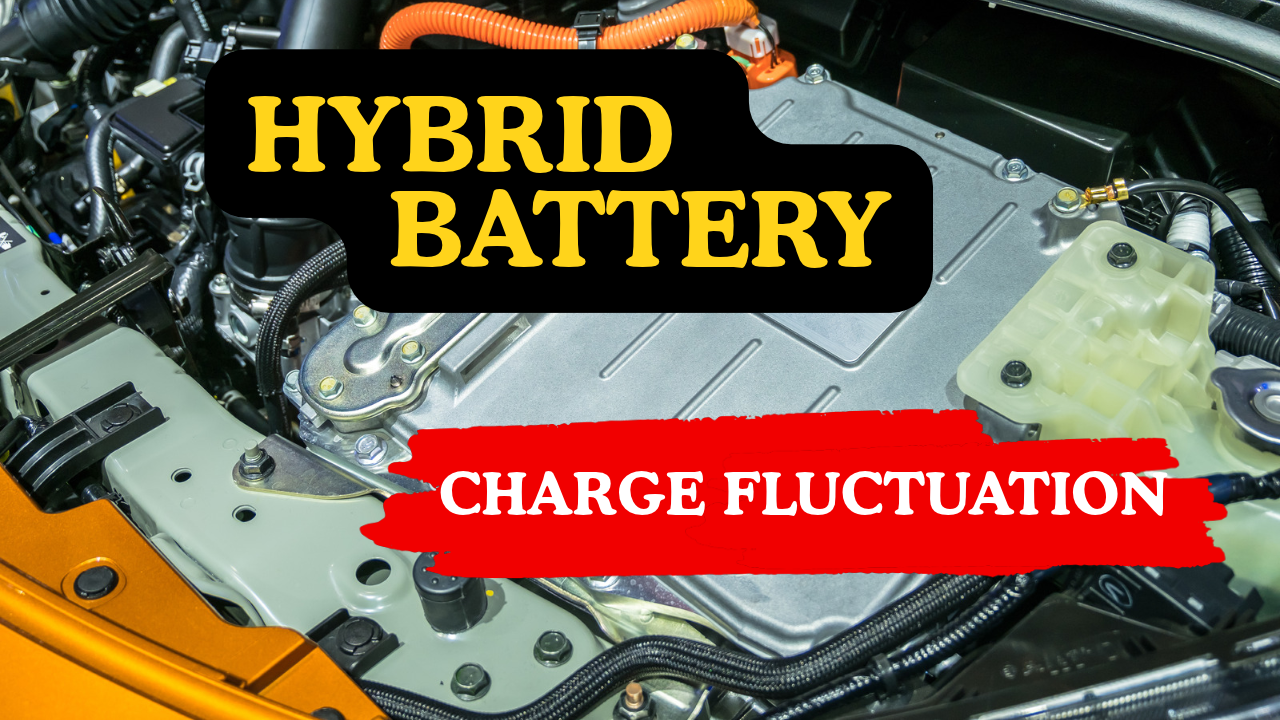
Why Is My Hybrid Battery Charge Fluctuating? We tell you the causes and possible solutions.
Frequent up-and-down changes on your hybrid battery gauge can be completely normal or a sign of an impending system failure. Understanding the threshold between standard vehicle operation and system degradation prevents unnecessary component replacement.
1. Normal vs. Abnormal Hybrid Battery Behavior
In standard driving conditions, the hybrid control system constantly shifts energy between the gasoline engine, electric motor, and regenerative braking.
Normal Variations Occur During:
-
Stationary acceleration from a dead stop.
-
Heavy braking or traffic deceleration.
-
Uphill climbs or high-speed driving.
-
Active gasoline engine charging cycles.
-
Alternating between EV and combustion modes.
The Red Flag to look for: If your charge drops rapidly during standard driving, shifts instantly between extreme high and low states, or triggers performance drops, professional diagnosis is required.
2. Core Drivers of Unusual Charge Fluctuations
A. Regenerative Braking Inefficiencies
-
The Mechanism: Deceleration converts vehicle kinetic energy into electricity via the generator and stores it in the battery.
-
Failure Sign: Drops in braking efficiency or sudden warning lights indicate a fault requiring immediate inspection.
B. Advanced Battery Degradation
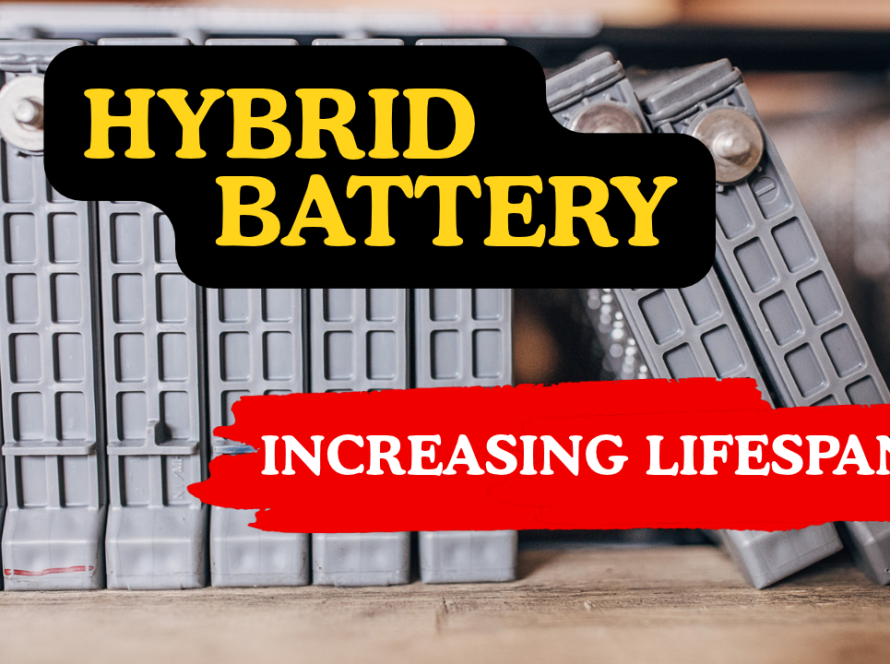
Over time, hybrid batteries lose storage capacity, forcing the vehicle to charge and discharge more aggressively to meet power demands.
-
Key Symptoms:
-
Unusually fast state-of-charge drops.
-
Lower fuel efficiency.
-
Increased engine run frequency.
-
Reduced electric motor assistance.
-
C. Cooling System Failures
Battery charging generates heavy thermal loads. Restricted airflow, dirty filters, or a failing cooling fan throttles battery capacity and destabilizes charge levels.
-
Warning Signs: Unusual fan noise, poor system performance, or high thermal alerts. (Note: Never service high-voltage cooling vents without proper safety checks.)
D. Sensor & Inverter Faults
Faulty sensors supply inaccurate battery metrics, while failing inverters disrupt power distribution across the electric motor. Avoid guesswork and blind battery replacements without comprehensive system checks to prevent wasted capital.
3. Professional Diagnostic Protocol
Accurate hybrid troubleshooting moves beyond basic dashboard monitoring and requires structured system validation:
-
DTC Scan: Read diagnostic trouble codes across the battery computer, inverter, and sensors.
-
Live Data Analysis: Assess real-time state-of-charge (SOC), cell temperatures, and individual block performance.
-
Thermal Inspection: Evaluate cooling fan throughput and airflow pathways.
-
Performance Verification: Measure output against strict factory specifications.
-
Action Plan: Isolate whether the issue requires minor maintenance, component repair, or full cell replacement.
Need Expert Diagnostics?
Stop guessing and protect your investment. FECA AutoCare delivers data-driven, precise hybrid diagnostics with zero guesswork.
Contact us today on WhatsApp to book your system scan. We are located in Thika – Behind Gateway Plaza (Along Garissa Road).