



Hybrid vehicles in Kenya: Thinking about upgrading your ride but torn between traditional fuel efficiency and electric innovation? Hybrid vehicles have evolved significantly over the past 20 years, offering a highly reliable middle ground that eliminates the compromises of the past.
Modern hybrids are built to handle everything from daily stop-and-go city traffic to rugged weekend adventures. If you are weighing your options, here is an institutional breakdown of how hybrid technology works and the clear advantages it brings to your driving experience.
Explore the pros and cons of hybrid vehicles in Kenya
How Does a Hybrid Vehicle Work?
A hybrid vehicle utilizes two distinct power sources: a traditional internal combustion engine (petrol or diesel) and an electric motor powered by a dedicated battery pack. Depending on the driving conditions, these two systems work independently or seamlessly together to maximize efficiency.
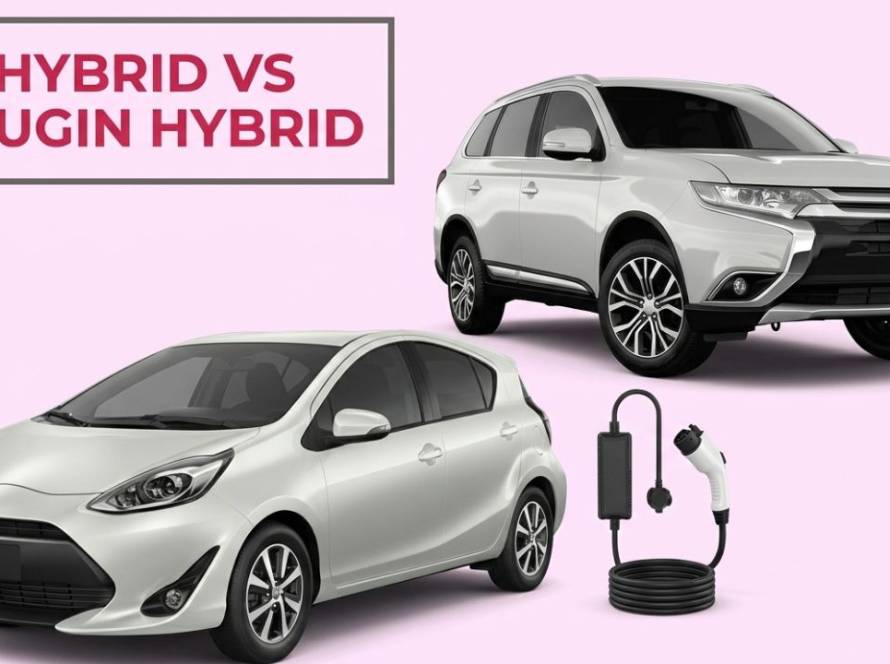
There are two primary configurations you will find on the market:
-
Full Hybrids: These can run entirely on the electric motor during low-speed city driving, entirely on the combustion engine at high speeds, or combine both for maximum power.
-
Mild Hybrids: The electric motor only assists the combustion engine during acceleration to save fuel but cannot propel the vehicle on electric power alone.
10 Major Benefits of Owning a Hybrid Vehicle
1. Significant Fuel Savings
Cost efficiency is usually the first priority for buyers. Because full hybrids alternate between two power sources, they dramatically lower your trips to the fuel station. While their efficiency peaks in heavy city traffic where the electric motor takes over, the system also optimizes fuel consumption during steady highway cruising.
| Engine Configuration | City Economy | Highway Economy |
| Hybrid Model | 36.8 MPG | 42.4 MPG |
| Non-Hybrid Model | 32.8 MPG | 39.6 MPG |
2. Instant Torque and Better Acceleration
Electric motors deliver maximum torque instantly from a complete stop. When you step on the pedal, a hybrid uses this electric power for immediate throttle response before engaging the combustion engine for high-speed performance.
3. Ultimate Charging Convenience
Unlike fully electric vehicles (EVs), self-charging hybrids require absolutely no plug-in infrastructure. The vehicle charges its own internal battery seamlessly while you drive, allowing you to explore remote areas without searching for charging stations.
4. Reduced Wear on Brakes and Tyres
Hybrids use an advanced system called regenerative braking. When you press the brake pedal, the electric motor reverses to slow the vehicle down, capturing the kinetic energy to recharge the battery. This process drastically reduces the physical friction and heat on your brake pads and rotors, leading to lower long-term maintenance costs.
5. Zero Range Anxiety
One of the biggest hurdles of going fully electric is the fear of running out of charge. Hybrids eliminate this completely. If the hybrid battery runs low, the combustion engine seamlessly takes over and keeps you moving as long as you have fuel in the tank.
6. Quieter, Premium Cabin Experience
When running strictly on electric power—especially during start up and low-speed maneuvers—hybrids operate in near-total silence. This significantly cuts down cabin noise, vibration, and harshness (NVH) for a much more premium driving experience.
7. Lower Environmental Emissions
By relying heavily on electric power during idling and stop-and-go traffic, hybrids release significantly less carbon dioxide ($CO_2$) into the atmosphere. On average, standard hybrid vehicles produce roughly 174 g/km of $CO_2$, compared to traditional petrol engines which average around 193 g/km.
8. Compliance with Low Emission Zones
Global cities are increasingly restricting or taxing traditional petrol and diesel vehicles in city centers through clean air zones (such as ULEZ regulations). Modern hybrids are routinely exempt from these penalties, ensuring you can travel anywhere without unexpected fees.
9. Proven Reliability Across All Terrains
Modern hybrid drivetrains are engineered for extreme durability. Advanced All-Wheel Drive (AWD) hybrid systems manage power distribution to individual wheels instantly, making them exceptionally reliable in rough weather, slick mud, or rugged off-road terrains.
10. A Future-Proof Investment
With global regulations tightening around emissions and automotive manufacturers shifting away from pure fossil-fuel platforms, choosing a hybrid is a strategic way to future-proof your vehicle’s resale value and compliance for years to come.
Important Disadvantages to Consider
While the advantages are extensive, making an informed choice means looking at the full picture:
-
Initial Purchase Premium: Due to the advanced dual-motor engineering, hybrids typically carry a higher upfront cost than standard non-hybrid models. However, this initial investment is regularly recouped over time through fuel savings.
-
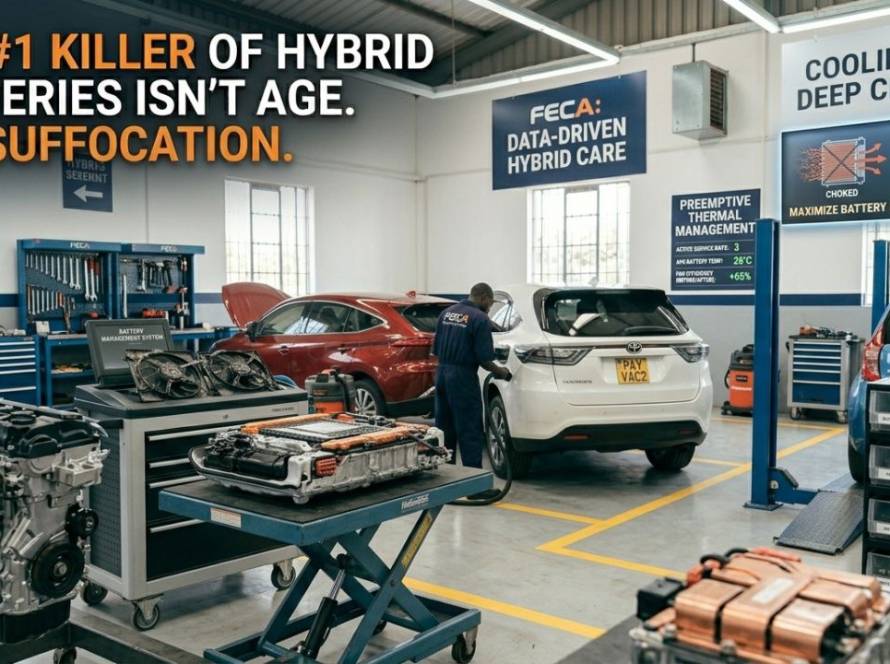
Specialized Maintenance Requirements: Because a hybrid contains both electrical components and a standard combustion engine, it requires specialized diagnostic tools. While wear-and-tear items like brakes last longer, overall routine servicing costs remain comparable to traditional cars and will be higher than a purely electric vehicle.

1 Comment
Comments are closed.