


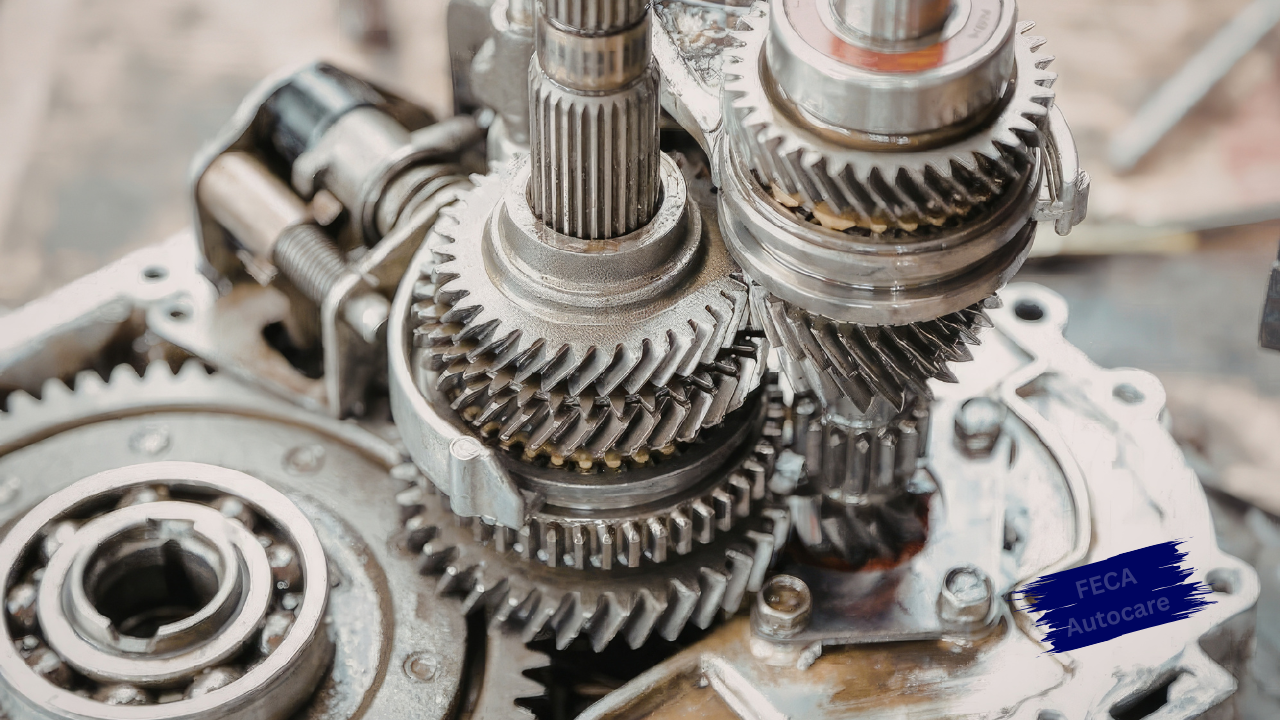
When a car’s gearbox fails, everything comes to a grinding halt. Whether you are driving a high-tech Hybrid, a Nissan with a CVT transmission, or a premium German machine, a sudden gearbox failure doesn’t just leave you stranded on the highway—it can completely derail your schedule and lead to some of the most expensive repair bills in the automotive world.
Beyond the massive financial hit of a transmission overhaul, a failing gearbox introduces critical safety risks, such as sudden loss of power while overtaking or transmission lockups at high speeds.
Fortunately, modern automotive engineering and smart preventative maintenance mean that unexpected transmission failures are almost entirely preventable. This guide outlines the best practices in gearbox reliability and 10 simple, actionable steps you can take to protect your vehicle’s transmission.
Moving Beyond “Quick Fixes” to Root-Cause Solutions
Historically, when a car’s transmission started jerking, slipping, or delaying gears, drivers had two choices: keep driving and hope for the best, or rush to a garage for a quick fluid top-up. While a quick fix might mask the symptoms for a few days, it rarely addresses why the unit is misbehaving in the first place, leaving you vulnerable to a catastrophic breakdown a few weeks later.
Today, advanced workshops are shifting the narrative toward predictive diagnostics and precision servicing. By using dealership-level diagnostic scanners to monitor live transmission fluid temperatures, checking solenoid pressures, and sticking to strict fluid flush intervals, you can completely eliminate the guesswork and ensure your car shifts smoothly for hundreds of thousands of kilometers.
10 Steps to Best Practice in Car Gearbox Maintenance
1. Conduct Regular Visual & Audio Inspections
Keep an eye out for fresh dark red, brown, or pink fluid puddles under your car—these point directly to a transmission fluid leak from the seals or pan gasket. Pay close attention to how the car drives: any whining, buzzing, clunking, or excessive vibration while changing gears is an immediate red flag.
2. Eliminate Underbody Dirt and Mud Build-Up
The underside of your car faces harsh conditions, from muddy roads to thick layers of dust. When grime cakes over the transmission casing and oil cooler lines, it acts as an insulation layer that traps heat, leading to severe overheating and rapid fluid breakdown. Keep your undercarriage clean.
3. Strictly Adhere to Fluid Specifications (ATF/CVF)
Putting the wrong transmission fluid in a car is a death sentence for the gearbox. A standard Automatic Transmission (AT), a Continuously Variable Transmission (CVT), and a Dual-Clutch Transmission (DCT) all require entirely different, highly specialized fluids. Always use the exact grade and specification recommended by the manufacturer.
4. Monitor Electronic Transmission Temperatures
Modern vehicles rely on electronic control units to monitor internal transmission temperature. If your dashboard throws a transmission warning light or if you notice sluggish shifting during heavy traffic or steep climbs, your gearbox oil is running too hot. Stop and let it cool down before permanent damage occurs.
5. Never Ignore Gear Slipping or Delayed Engagement
If you step on the gas pedal and the engine revs up but the car takes a moment to actually move, or if the car abruptly jerks out of gear while driving, your clutch packs or torque converter are struggling. Catching this early can mean a simple valve body repair instead of a total gearbox replacement.
6. Run Periodic Computer Diagnostics
Don’t wait for a total transmission failure. Specialized automotive diagnostic scanners can read hidden trouble codes stored in your Transmission Control Module (TCM). These scans reveal minor electrical faults, sensor glitches, or pressure drops long before they trigger a permanent mechanical failure.
7. Keep the Gearbox Breather Valve Clean
Transmissions have a small breather vent on top to release pressure as the internal fluid heats up and expands. If this vent gets clogged with dust, road grime, or engine oil overspray, pressure will build up inside the gearbox and force its way out by blowing through your main oil seals.
8. Inspect the Condition of Your Gearbox Mounts
Your transmission is held securely in place by heavy-duty rubber and metal mounts. Over time, these mounts wear out and crack. Worn transmission mounts cause severe cabin vibration, rough gear shifts, and can even place destructive, misaligned stress on your driveshafts.
9. Match Your Driving Habits to the Gearbox Limits
Heavy towing, aggressive hard acceleration on a cold engine, or shifting between Reverse and Drive while the car is still rolling places massive mechanical stress on the internal gear teeth and bands. Treat your transmission with respect to preserve the delicate internal components.
10. Partner with a Specialist Automotive Workshop
The modern automatic and hybrid gearbox is an incredibly complex piece of computer-controlled machinery. Do not leave its care to generic, roadside mechanics. Establish a relationship with a specialized garage that understands advanced automotive electronics, precision fluid flushes, and diagnostic troubleshooting.
The Bottom Line: Regularly scheduling a transmission service or a fluid flush can be easily budgeted for—but a sudden, catastrophic gearbox failure and a flatbed towing bill in the middle of nowhere cannot.
Don’t wait for your gears to start slipping. Drop us a message in our inbox or call our engineering team at 0783 331 328 to book your professional transmission diagnostic scan and health check today!