CVT Transmission Fluid (Continuously Variable Transmission (CVT) is designed to deliver smooth acceleration, improved fuel economy, and a more comfortable driving experience. But unlike conventional automatic transmissions, a CVT relies heavily on one critical component that many drivers overlook—CVT transmission fluid.
CVT fluid does far more than lubricate moving parts. It maintains hydraulic pressure, regulates operating temperatures, protects internal components, and allows the transmission to function as designed.
Ignoring it can lead to expensive transmission repairs or even complete transmission failure.
What Is CVT Transmission Fluid?
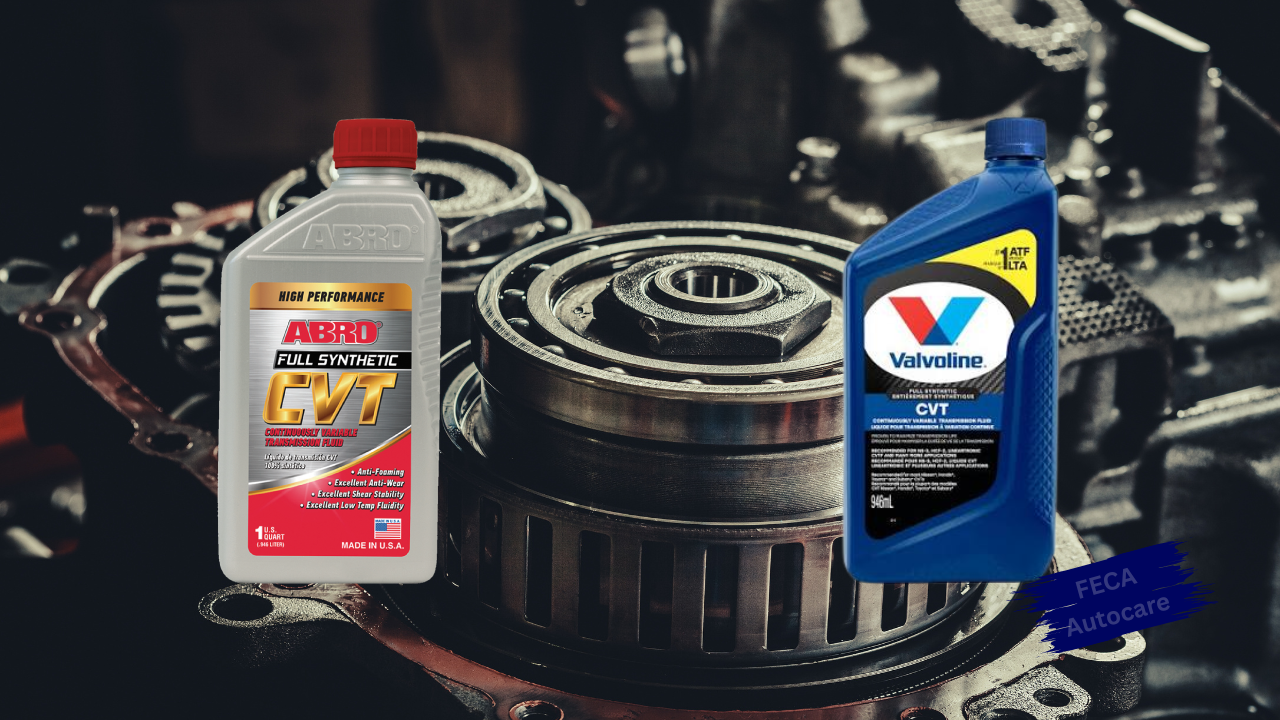
CVT transmission fluid is a specially formulated lubricant designed specifically for Continuously Variable Transmissions.
Unlike conventional automatic transmission fluid (ATF), CVT fluid contains unique friction modifiers that allow the steel belt or chain and pulleys to operate efficiently without excessive wear.
Using the wrong transmission fluid can severely damage a CVT.
Always use the fluid specification recommended by your vehicle manufacturer.
What Does CVT Fluid Actually Do?
Maintains Hydraulic Pressure
A CVT constantly adjusts pulley positions using hydraulic pressure. Clean, high-quality fluid ensures these pressure changes happen accurately and smoothly.
Lubricates Internal Components
Bearings, pumps, valves, gears, and other moving parts depend on proper lubrication to minimize friction and wear.
Cools the Transmission
Heat is one of the biggest enemies of any transmission.
CVT fluid absorbs and carries away heat generated during operation, helping maintain safe operating temperatures.
Protects the Belt and Pulleys
Unlike conventional automatic transmissions, CVTs rely on a steel belt or chain running between adjustable pulleys.
The correct fluid provides the precise friction characteristics needed to prevent slipping while reducing wear.
Why CVT Fluid Is So Important
As CVT fluid ages, it gradually loses its ability to:
- Maintain hydraulic pressure
- Dissipate heat
- Lubricate moving components
- Protect against wear
When this happens, your transmission may begin developing problems that become increasingly expensive if ignored.
Signs Your CVT Fluid May Need Attention
Watch out for these warning signs:
- Hesitation during acceleration
- Shuddering when taking off
- Transmission slipping
- Delayed response when accelerating
- Whining or humming noises
- Overheating transmission
- Increased fuel consumption
- Transmission warning lights
These symptoms don’t always mean the transmission has failed—but they should never be ignored.
When Should You Change CVT Fluid?
There is no universal replacement interval.
The best recommendation is to follow your manufacturer’s service schedule.
However, vehicles operating under severe driving conditions often require more frequent servicing.
This includes:
- Frequent stop-and-go traffic
- Long periods of idling
- Hilly terrain
- Heavy loads
- Towing
- High ambient temperatures
- Dusty road conditions
If your vehicle experiences any of these conditions, consult a qualified technician about shortening your CVT service interval.
Common Mistakes That Shorten CVT Life
Many transmission failures are preventable.
Avoid these common mistakes:
- Using ordinary ATF instead of CVT fluid
- Mixing different fluid specifications
- Ignoring scheduled servicing
- Driving aggressively before the transmission reaches operating temperature
- Delaying repairs after early warning signs appear
Preventive maintenance is always more affordable than transmission replacement.
What Happens During a Professional CVT Service?
A proper CVT service should include:
- Computerized diagnostic scan
- Inspection for transmission leaks
- Checking fluid condition and level
- Replacement using the correct manufacturer-approved CVT fluid
- Filter replacement where applicable
- Road test after servicing
- Final inspection for leaks and proper operation
A thorough inspection helps identify developing issues before they become major repairs.
Can Old CVT Fluid Affect Fuel Economy?
Yes.
As transmission fluid deteriorates, the CVT may struggle to maintain optimal hydraulic pressure and smooth ratio changes.
This forces the transmission to work harder, potentially increasing fuel consumption while reducing driving performance.
Keeping the fluid in good condition helps maintain the efficiency that CVTs are known for.
Final Thoughts
Your CVT transmission depends on clean, high-quality fluid to operate efficiently.
Ignoring routine fluid maintenance can lead to overheating, slipping, poor performance, and expensive repairs.
If you’re unsure when your CVT was last serviced—or you’ve started noticing unusual transmission behavior—it’s worth having it inspected sooner rather than later.
Regular maintenance is one of the simplest and most cost-effective ways to extend the life of your transmission.
Frequently Asked Questions
Can I use normal automatic transmission fluid in a CVT?
No. CVTs require specially formulated CVT fluid. Using the wrong fluid can damage the transmission.
How long does CVT fluid last?
It varies by manufacturer and driving conditions. Always follow your vehicle’s service schedule and seek advice if you drive under severe conditions.
Does changing CVT fluid fix transmission problems?
If caught early, replacing degraded fluid can improve performance. However, fluid changes cannot repair worn or damaged internal components.
Can dirty CVT fluid increase fuel consumption?
Yes. Degraded fluid can reduce transmission efficiency and contribute to higher fuel usage.